Fire safety is a critical aspect of any building’s design, construction, and operation. This is particularly true in the UK, where strict regulations are in place to ensure the safety of occupants.
The Regulatory Reform (Fire Safety) Order 2005
The primary legislation covering fire safety in England and Wales is the Regulatory Reform (Fire Safety) Order 2005, often referred to as the RRO. The RRO applies to virtually all non-domestic premises, including workplaces, commercial buildings, and common areas of multi-occupied residential buildings. It covers nearly every type of building, structure, and open space.
The RRO emphasises the importance of preventative measures and fire safety management. It places the responsibility on the ‘Responsible Person’, usually the employer, owner, or occupier of the business. This individual is tasked with carrying out a detailed fire risk assessment and implementing appropriate fire safety measures.
Fire Risk Assessment
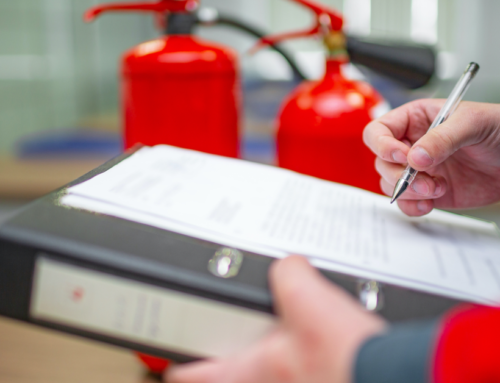
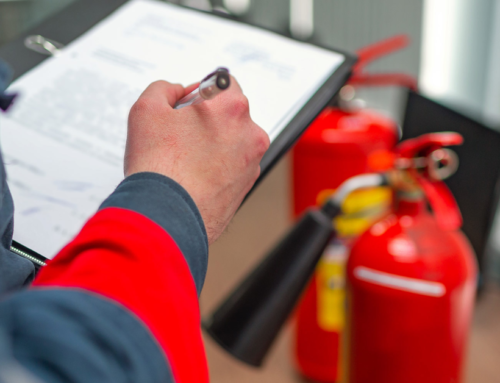
One of the key requirements of the RRO is the Fire Risk Assessment. This is an evaluation of the potential fire risks in a building. The assessment should identify hazards and those at risk, evaluate the risks, and determine the necessary precautions to eliminate or reduce these risks. The findings should be recorded, and an emergency plan and training should be provided. The assessment should be reviewed and updated regularly to ensure it remains relevant.
Fire Safety in Scotland
In Scotland, fire safety is governed by the Fire (Scotland) Act 2005 and the Fire Safety (Scotland) Regulations 2006. Similar to the RRO, these regulations require the ‘Responsible Person’ to carry out a fire safety risk assessment and implement suitable fire safety measures.
British Standards
In addition to national laws, there are also British Standards that provide further guidance on fire safety. For instance, BS 9999:2017 provides a code of practice for fire safety in the design, management, and use of buildings. This standard offers recommendations and guidance on the maintenance of fire safety measures to ensure they remain effective.
Consequences of Non-compliance
Non-compliance with these regulations can lead to hefty fines or even imprisonment. Therefore, understanding and adhering to fire safety regulations is not just a legal obligation, but a moral one. After all, the safety of people is the most important thing.
How T.J. Fire & Security Can Help
At T.J. Fire & Security, we are committed to helping you navigate these regulations. Our team can conduct comprehensive fire risk assessments, provide advice on compliance, and install state-of-the-art fire safety systems. We can also provide ongoing support and training to ensure you and your staff understand your responsibilities under the fire safety regulations. Contact us today to ensure your premises are safe and compliant.